


Pot B2
This flower pot holder, which looks more like a sculpture, is made up of two distinct parts and can therefore be presented in different ways: the top and the base are interchangeable which allows new shapes to be created!

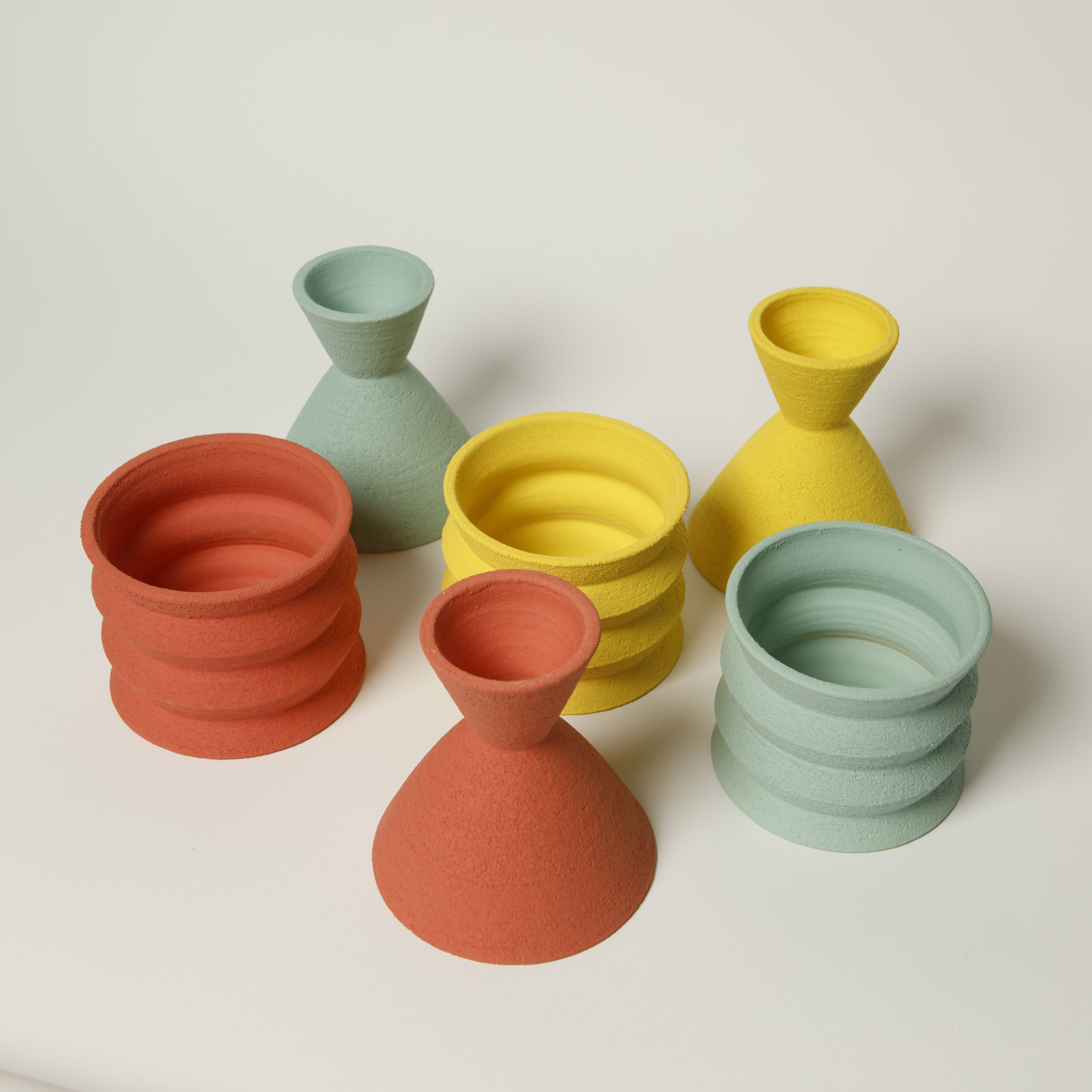
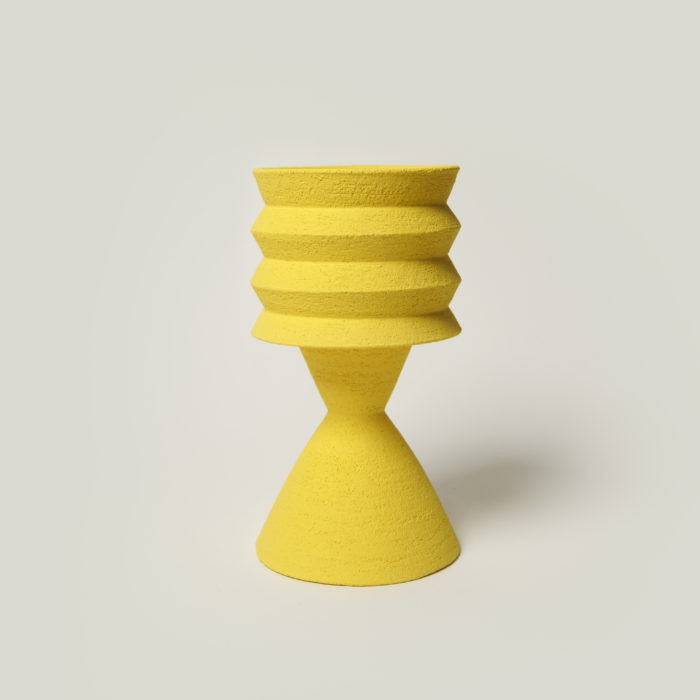
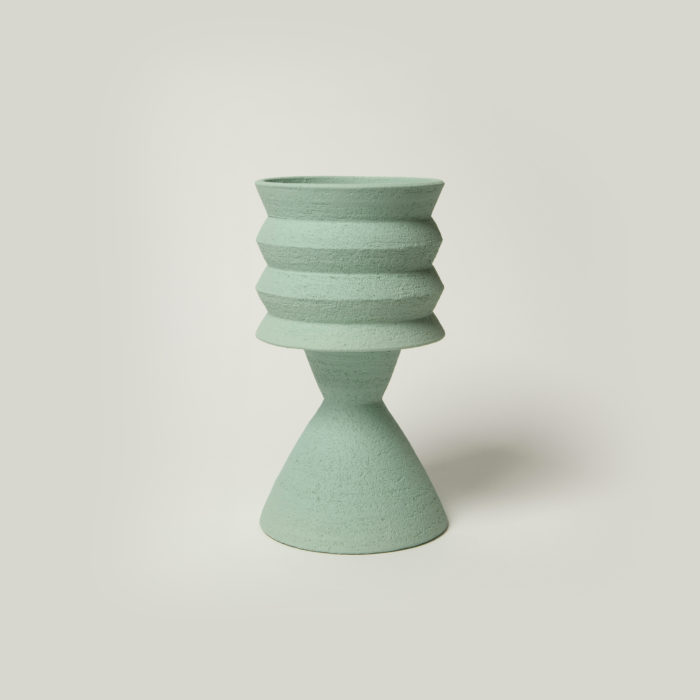
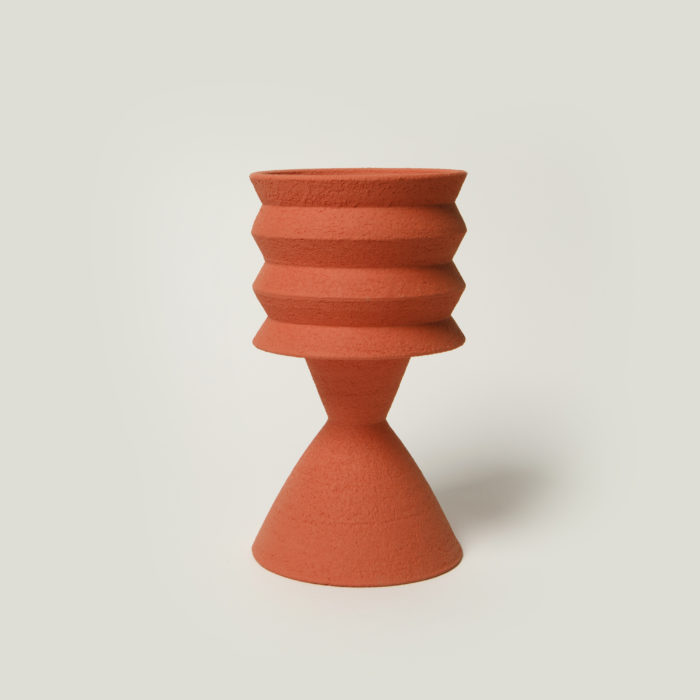
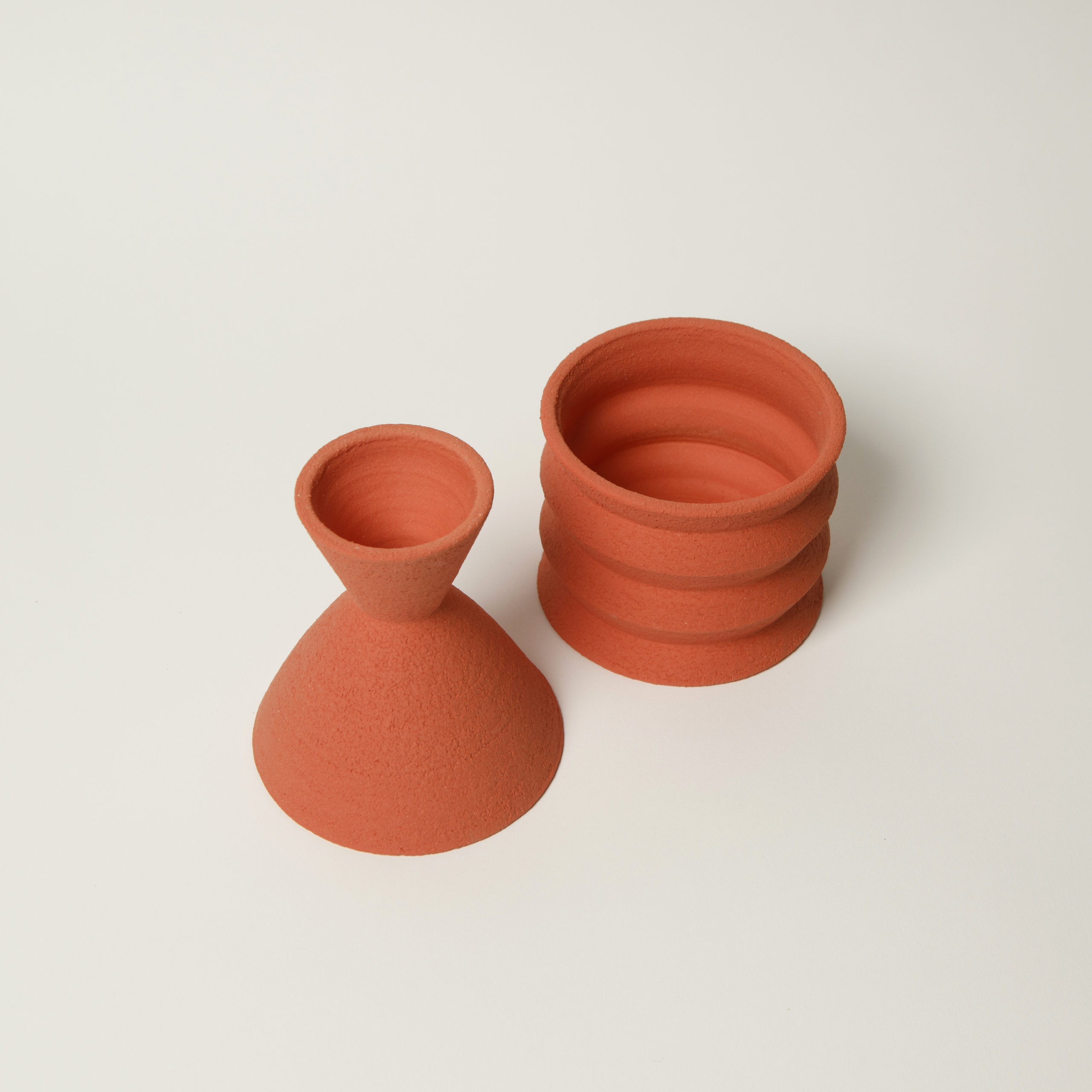
Each piece is made entirely by hand in a workshop in Barcelona, rendering each object unique. The artist only produces very small quantities to order.
Marissa crafts each piece by hand on a potter’s wheel, combining traditional methods and shapes with a modern aesthetic. She works in batches while celebrating the individuality of each piece and embracing the signs of its handcrafted nature.
Catalan sandstone unglazed
Dim. H 16-19 cm x diam. 12-15 cm
Technique
Wheel
100% handcrafted in Barcelona.
The Mari Masot two-part plant pots are cast from a sandy-textured stoneware that remains slightly porous after cooking. This makes them perfect for plants, allowing the roots to breathe more easily. They are especially suitable for cacti and succulents, which like to dry out completely between waterings. If you use your two-piece flowerpot for more humid plants, your pot’s surface might develop a patina - which has its own organic beauty, but it is something to keep in mind. If you don’t like the idea of patina, I recommend using a small plastic compostable bag to line the pot - with a hole at the bottom for drainage.
When it’s time to water the plant, carry the top part to a sink or other place where it can drain freely, and allow the water to drain out before placing it back on the base. The base of the two-part flowerpot is designed to hold a few drops, but not a lot of water which could seep in. For this reason, I do not recommend using your two-part flowerpot as a vase.
Cleaning the pot is most easily done under running water with a soft or medium bristle brush.
One week.
Mari Masot
Mari Masot is the ceramics line and nom de plume of American-born artist and designer Marissa McInturff. With a background in architecture and food styling, she draws her inspiration from the harmonious interaction between nature and human creativity.
Marissa started working with clay in 2016, and works from a sunny studio in Barcelona’s Poblenou neighborhood. She makes her pieces in small batches and entirely by hand, striking a balance between the traditional nature of the medium, and the industrial and architectural influences of her designs.


